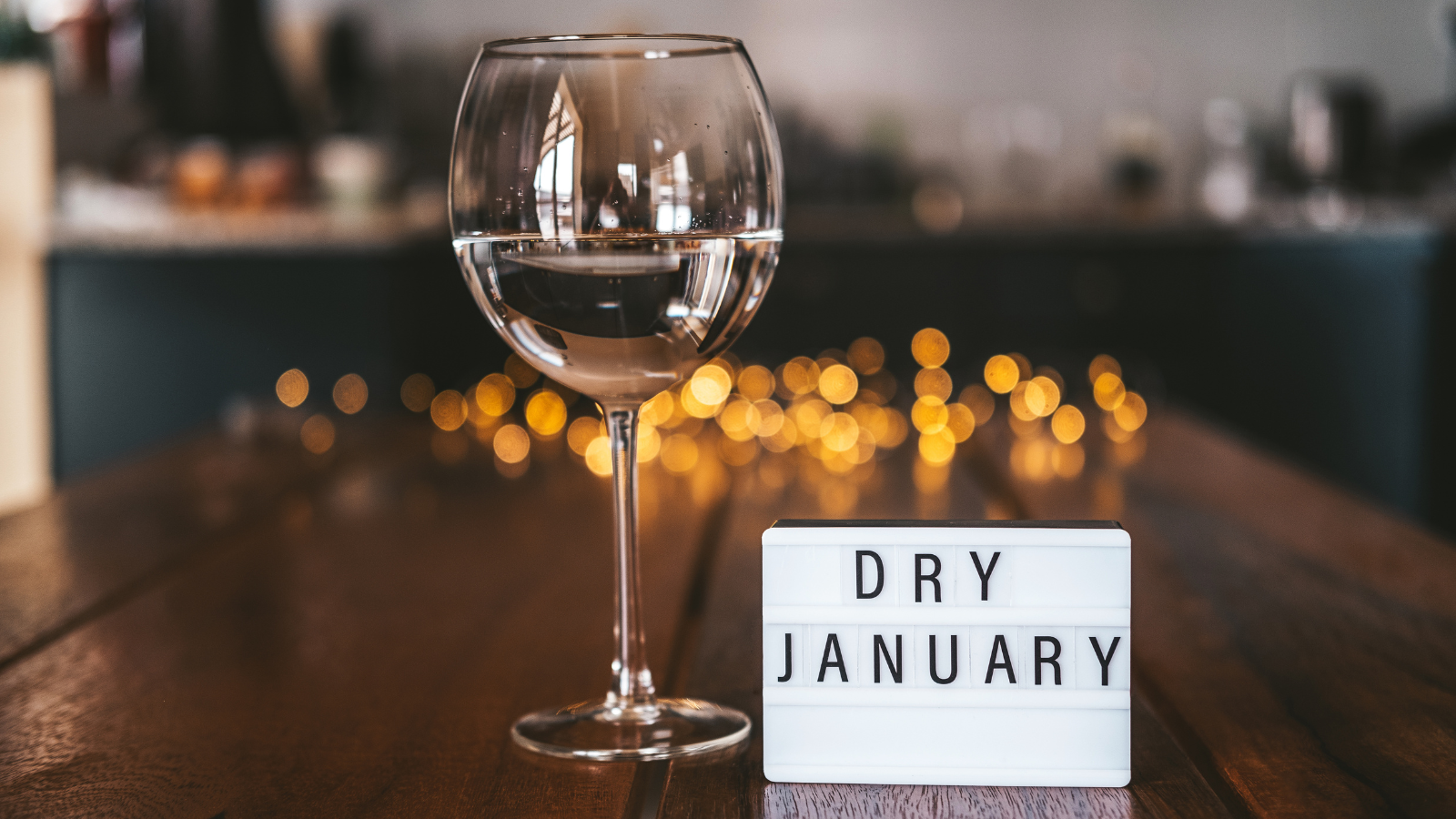
Dry January: From Christmas Excess to Cultural Reset
After a December filled with “just one more” - one more glass of fizz, one more mulled wine, one more round because it’s Christmas - January often arrives with a collective groan. Wallets feel lighter, sleep feels shorter, and the idea of another drink feels… unnecessary. Enter Dry January.
What started as a short-term detox for festive overindulgence has quietly evolved into something bigger. For many, it’s no longer just about recovery - it’s about reflection.
The Post-Christmas Hangover (Psychological, Not Just Physical)
Dry January still largely serves the same purpose it always has: balance. After weeks of excess, January becomes a reset button. A chance to feel healthier, save some money and prove (mostly to ourselves) that we can say no. For older generations, it’s often a temporary pause. February rolls around, and normal service resumes.
At MorePeople, a few of the team are taking up Dry January this year too - with varying levels of confidence. We’ll have to wait and see how long it lasts…
Gen Z and the Rise of “Why Drink at All?”
Unlike previous generations, Gen Z aren’t just taking a month off - many are opting out altogether.
Socialising without alcohol is normalised. Wellness is prioritised. Alcohol is increasingly viewed as something that takes away (sleep, productivity, mental clarity) rather than something that adds value. And crucially, younger consumers are far more comfortable questioning habits that were once considered standard.
This shift isn’t anti-fun - it’s selective fun. Experiences matter more than excess. Control beats chaos. And the idea of drinking “because that’s what you do” is losing relevance.
What This Means for the BWS Industry
For Beer, Wine and Spirits (BWS), this isn’t a short-term January blip - it’s a structural change.
Some of the key impacts we’re already seeing:
Premiumisation over volume: Fewer drinking occasions, but higher expectations when people do drink.
Low & no alcohol growth: Not as a trend-led sideshow, but as a core category.
Brand purpose and transparency: Consumers want to know why they should choose your product, not just what it tastes like.
Occasion-based innovation: Drinking moments are becoming more intentional - midweek moderation, social alternatives, functional benefits.
Dry January acts as a spotlight. It forces brands to ask whether they are built purely around habit or around relevance.
Not the End of Drinking - Just the End of Autopilot
Despite the headlines, alcohol isn’t disappearing. What is disappearing is unquestioned consumption.
For the industry, which presents both risk and opportunity. Brands that cling to volume-driven thinking may struggle. Those who understand changing motivations - moderation, quality, identity and wellness - are far better placed to win.
Dry January might only last 31 days, but the behaviours it highlights are shaping the other 11 months of the year.
And whether you’re dry, damp, or straight back on it come February - it’s a trend worth paying attention to.