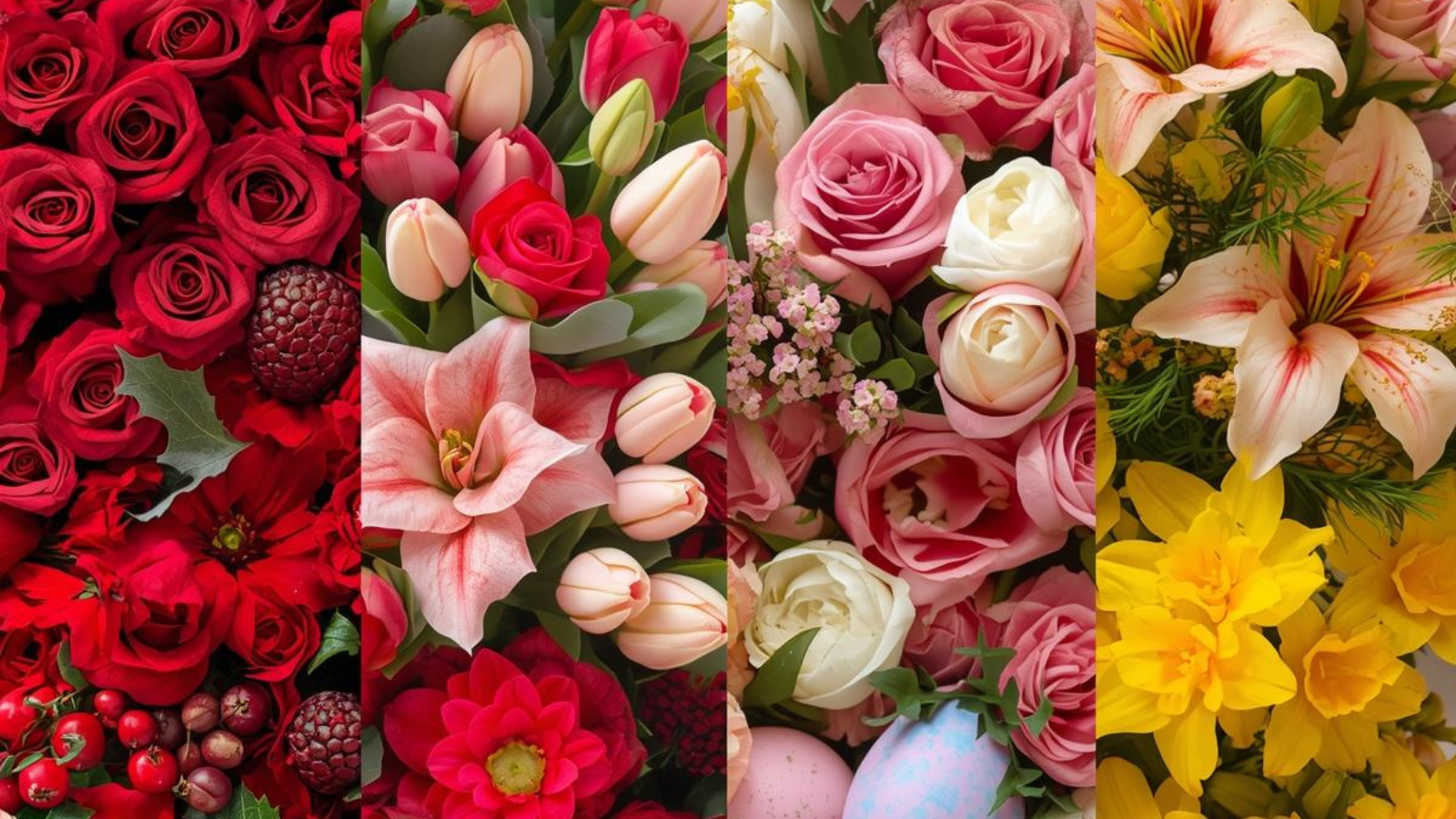
Peaks, Pressure, and People: What the Flower & Horticulture Sector Teaches Us
If you work in flowers or horticulture, you don’t measure the year in quarters. You measure it in peaks.
Christmas.
Valentine’s Day.
Mother’s Day.
Easter.
For most sectors, these are busy trading days. For flowers and plants, they are extreme, back-to-back spikes that can compress months of sales into a handful of days. And if you survive one peak, the next one is already looming.
When the Numbers Go Wild
The scale is staggering. Turkey sales at Christmas jump about 400%. Flowers at Valentine’s? Often, 500% up, and some businesses quietly plan for a tenfold increase in volume. Valentine’s Day alone drives roughly £100 million in flower sales in the UK - and failure to get it right is not an option.
The challenge isn’t just volume. Flowers are perishable, delivery windows are tight, and consumers want them on the 14th - not a day earlier or later. One misstep, and the opportunity - and margin - is gone.
And it doesn’t stop there. Christmas fades, and Mother’s Day is already around the corner, followed by Easter blooms. Peaks come in rapid succession. The floral calendar is a relay race, and the baton never stops moving.
Planning for the Impossible
How do businesses handle it?
Forecasting months ahead - roses for Valentine’s are ordered in summer. Poinsettias for Christmas are planned even earlier.
Scaling labour - florists, packhouses, and delivery teams ramp up like high-intensity logistics operations, often overnight.
It’s operational pressure like no other, and the people who navigate it come out stronger, sharper, and more capable than almost any other sector.
Built for Peaks - and Beyond
Working through repeated, high-pressure peaks produces people with a rare mix of skills: resilience, organisation, attention to detail, and commercial awareness. They can manage volatile supply chains, perishable products, temporary workforces, and tight deadlines - all simultaneously.
Yet, too often, these professionals are pigeon-holed into horticulture. In reality, their skills transfer seamlessly into other food, fresh produce, and FMCG sectors. Managing short shelf life, forecasting around spikes, and leading teams under pressure - these are challenges every perishable category faces.
The lesson? If someone can deliver Valentine’s flowers flawlessly, they can handle almost anything else the fresh produce world throws at them. And for businesses willing to look beyond their traditional category, horticulture talent represents an often untapped pool of capable, high-performing people.
A Moment of Appreciation
So, as you buy your Valentine’s bouquet or pick up flowers for Mother’s Day, spare a thought for the people behind the petals. They aren’t just meeting deadlines - they’re executing months of planning under intense pressure, over and over, back-to-back.
And if you’re in the business of hiring, remember this: the skills forged in these peaks don’t stay in flowers. They’re transferable. They’re rare. And they can transform teams across the wider fresh produce sector.
Bottom line: If you can do Valentine’s and do it well, you can do almost anything.