Future-Proofing Leadership: Why “Succession Planning” Is the Wrong Conversation
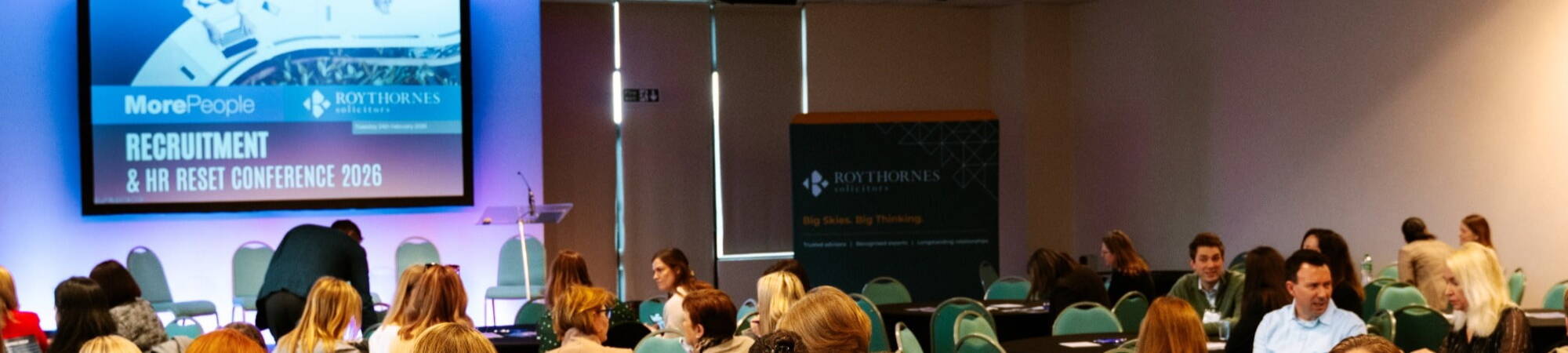
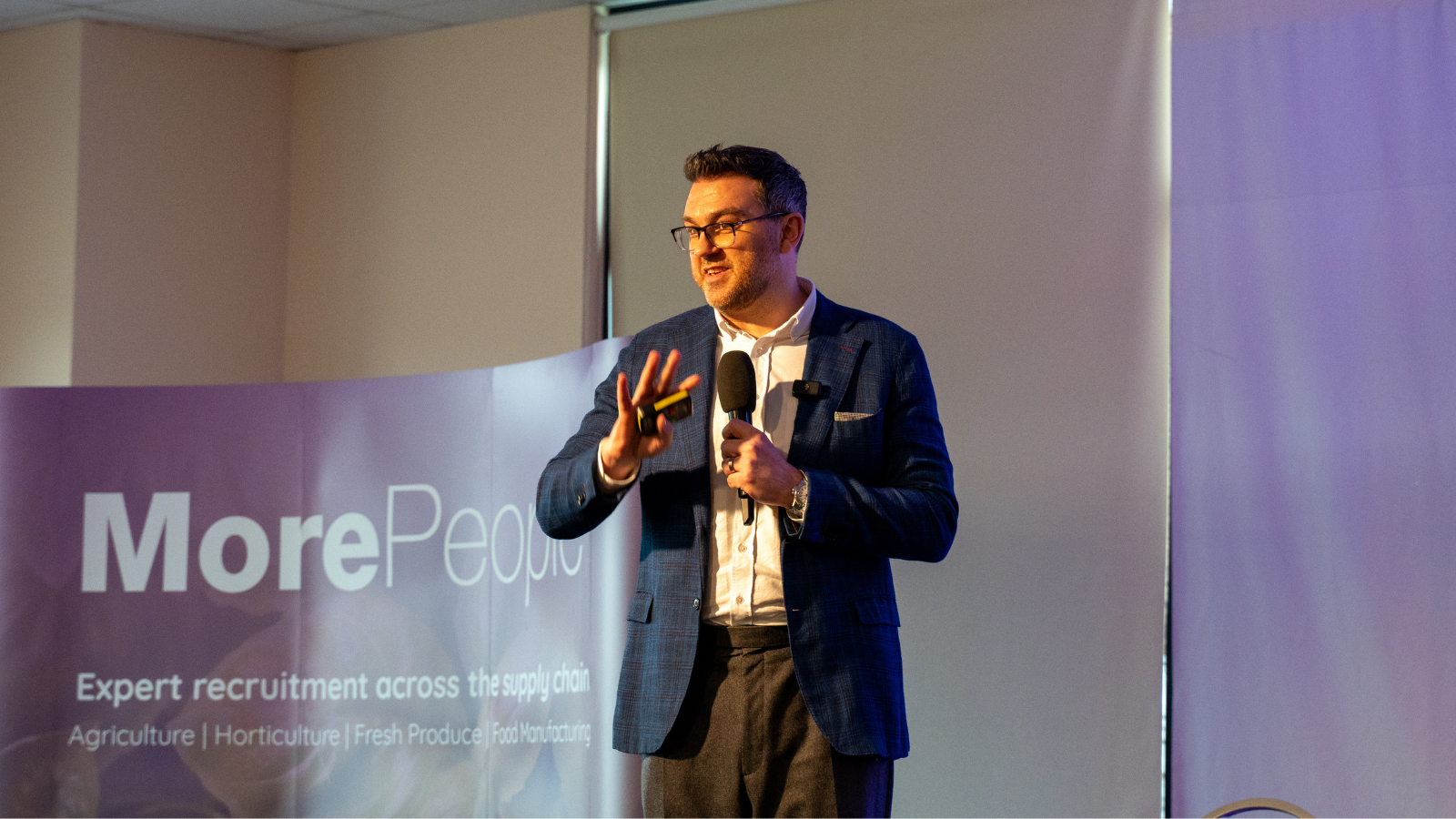
At our recent HR & Recruitment Reset Conference, I made a case that might sound odd coming from someone speaking on succession planning:
“We should probably stop talking about succession planning.”
Not because the issue isn’t real. Quite the opposite.
But because the phrase itself often pushes businesses into the wrong conversation. We need better language. But I’ll get to that.
We all know the predictable version of this topic.
Read the alarming statistics about the risks of not doing it well. Talk about ageing leadership teams and looming retirements. Then land on a neat, predictable five-step framework and a list of actions.
It sounds sensible. It just doesn’t get close enough to reality.
Because once you get anywhere near the executive layer of a business, succession planning isn’t a tidy process problem. It is political, emotional and often surprisingly dangerous.
Dangers show up in at least three ways.
First, it creates a clock. The moment you start talking openly about succession, people begin mapping timelines and expectations. Stability starts to wobble.
Second, it can quietly communicate that someone is already past it. The frame becomes replacement. Who is taking over? Who is next? That may be logical on paper, but it is not always wise in a live leadership team.
Third, it can trigger internal competition. The minute future roles feel like prizes to be won, people start performing for position rather than collaborating for the good of the business.
There’s more to talk about but they’re three big ways succession work so often goes badly. The intention is right. The frame is wrong.
And yet, it is still absolutely essential.
I think a lot about a quote from F. Scott Fitzgerald who wrote the Great Gatsby.
“The test of a first-rate intelligence is the ability to hold two opposed ideas in the mind at the same time and still retain the ability to function.”
Succession planning is dangerous. AND it is essential.
It is essential because growth drives retention. Because sustainability is about more than carbon or margin - it is also about leadership continuity. And because in food and agriculture, too much judgement, commercial memory and relational capital still sits in too few people.
That is too important to leave to chance.
So the better phrase, in my view, is not succession planning but executive development.
That shift matters.
Succession planning asks: Who replaces X?
Executive development asks: How do we build the broad leadership capability the business genuinely needs to keep growing?
That is the more useful question.
Once we’ve got the right question let’s avoid another big mistake. Treating Executive Development like training.
Most leaders build the first half of their career by getting very good at the thing - finance, sales, operations, technical delivery, growing, logistics. But the higher you climb, the less important that technical and delivery competence becomes.
At executive level, leaders need three buckets of capability:
Technical and delivery credibility
People and project leadership
Strategy and stakeholder skill
Your next FD should not simply be the best accountant. Your next Sales Director should not just be the best salesperson.
It’s that third bucket is the one businesses most often under-develop. And yet it is often where senior leaders succeed or fail.
This is why generic leadership training rarely cuts it. Executive development has to be more applied, more contextual, and more connected to the real work of the business. Internal cohorts. Live issues. High-stakes learning. Real support.
And there is no cost-free route through this.
There’s another quote from the economist Thomas Sowell that often does the rounds
“There are no solutions, only trade-offs”.
We don’t get to pick cost / pain-free. We either pay early through investment, challenge and honest conversations — or we pay later through panic hires, misalignment, sluggish growth and avoidable leadership crises.
So, what can businesses do?
Two things.
First, periodically align the board around the future: where the business is going, what capability it will need, and where the leadership risks really are.
Second, build executive development intentionally inside the business, rather than outsourcing the problem to generic programmes and hoping for the best.
If you want stronger leadership continuity, healthier transitions and a more resilient business, the answer is not simply to “do succession planning better”.
It is to take executive development seriously.
That is the more useful conversation. And for many businesses, it is long overdue.
If this is a live issue in your business, MorePeople’s Executive Development team would love to help. You can find out more here.